

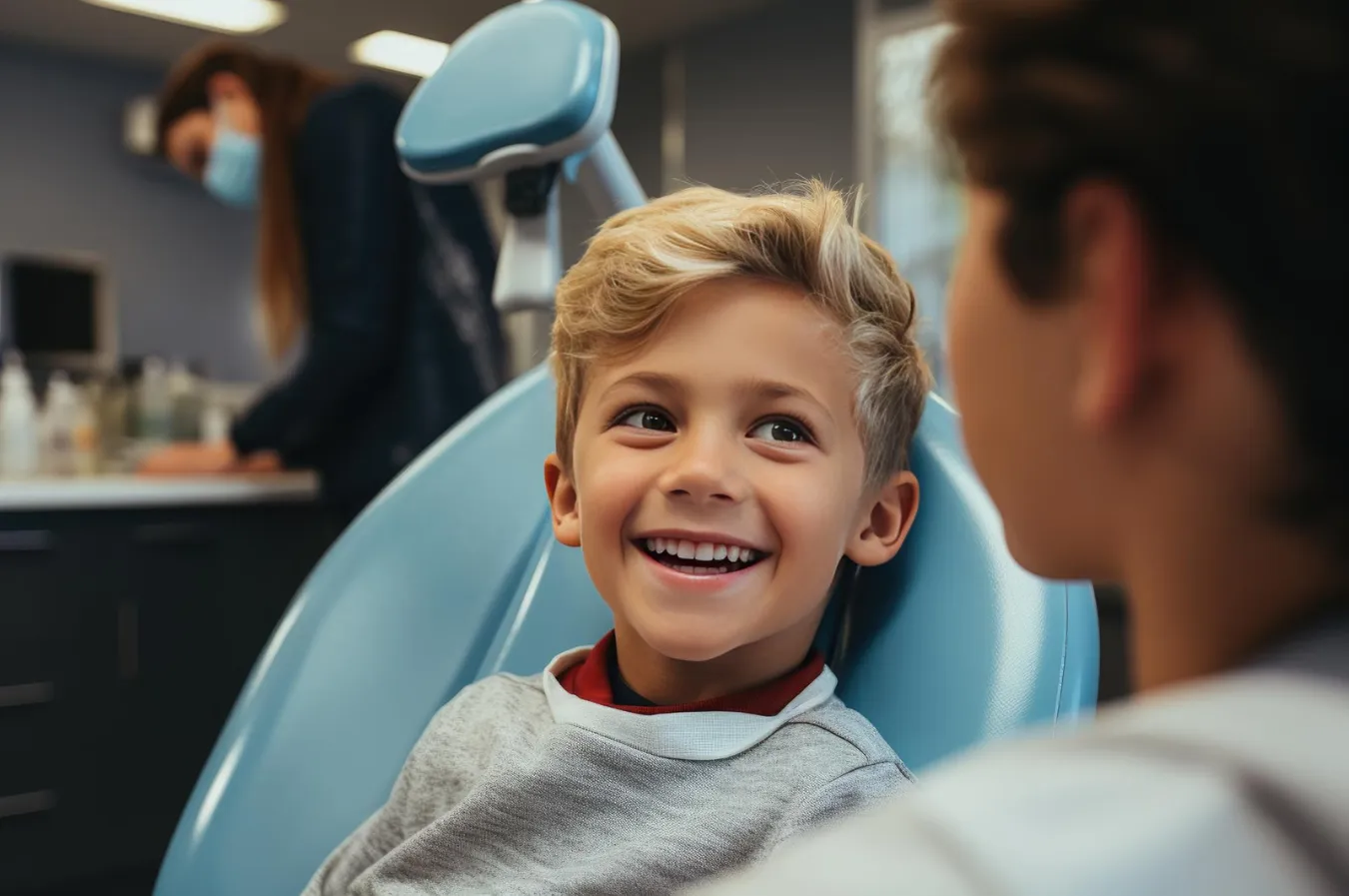
As parents, we all want our children to have healthy, confident smiles. But with sugary snacks, busy schedules, and the challenges of teaching good brushing habits, cavities can sometimes feel inevitable. The good news is that prevention plays a huge role in protecting children’s teeth, and regular dental cleanings are one of the most effective ways to keep cavities at bay.
Understanding why cleanings matter — and how they benefit kids long-term — can help parents feel confident about prioritizing preventive care.
Why Cavities Are So Common in Children
Cavities, also called dental caries, are the most common chronic disease in children. Even with regular brushing and flossing, kids are more vulnerable than adults because:
- Their enamel is thinner and softer, making teeth more prone to decay.
- Children may not brush effectively, especially in the back of the mouth.
- Sugary snacks and drinks can linger on teeth and feed cavity-causing bacteria.
- Growing mouths with new teeth make it harder to clean thoroughly.
These factors make professional cleanings especially important, as they go beyond what kids can do on their own at home.
What Happens During a Professional Dental Cleaning
A dental cleaning is much more than just polishing teeth. Each cleaning appointment is designed to protect and strengthen a child’s oral health. Parents can expect:
- Plaque and tartar removal — Even with daily brushing, some buildup is inevitable. A hygienist gently removes it before it causes cavities or gum problems.
- Polishing teeth — Smooth surfaces make it harder for bacteria to stick and easier for kids to keep teeth clean.
- Fluoride application — Many cleanings end with fluoride, which strengthens enamel and makes teeth more resistant to decay.
- Oral health check — The dentist reviews the teeth and gums, catching small concerns before they become major issues.
This process is quick, comfortable, and designed to prevent problems long before they start.
How Cleanings Protect Against Cavities
The connection between cleanings and cavity prevention is clear. By removing plaque and tartar, cleanings eliminate the main source of bacteria that cause tooth decay. They also give the dentist an opportunity to apply protective treatments like sealants or fluoride, which make teeth stronger and less vulnerable.
In addition, regular visits mean problems are caught early. A tiny cavity detected at a checkup can be treated with a small filling, instead of growing into a painful infection that requires more extensive care.
Building Healthy Habits Through Routine Visits
Dental cleanings aren’t just about the treatment itself — they’re also about shaping a child’s attitude toward oral care. Each positive visit reinforces the message that taking care of teeth is important, normal, and even fun.
Children who grow up with regular dental cleanings are more likely to:
- Brush and floss consistently at home
- Feel comfortable at the dentist, reducing anxiety
- Understand the connection between oral health and overall health
- Carry preventive habits into adulthood
Prevention is as much about education and confidence as it is about treatment.
The Role of Parents in Prevention
While professional cleanings are essential, what happens at home plays a big role too. Parents can support their child’s oral health by:
- Supervising brushing until children have the dexterity to do it well on their own (usually around age 7 or 8)
- Encouraging flossing once teeth touch side by side
- Offering tooth-friendly snacks like cheese, crunchy fruits, and vegetables instead of sticky sweets
- Limiting sugary drinks, especially juice and soda
- Modeling good oral hygiene habits themselves
When home care and professional cleanings work together, the risk of cavities drops dramatically.
How Often Should Kids Have Dental Cleanings?
Most children benefit from dental cleanings every six months, starting with their first tooth or by their first birthday. However, some kids may need more frequent visits if they are at higher risk for cavities. Factors like diet, oral hygiene habits, and family history of dental problems can all play a role.
Your child’s dentist can recommend a schedule that fits their unique needs.
Beyond Cavities: Other Benefits of Regular Cleanings
While cavity prevention is the most obvious benefit, dental cleanings support children’s health in other ways too:
- Healthier gums — Removing buildup prevents gingivitis and promotes gum health.
- Fresher breath — Cleanings reduce bacteria that cause bad breath.
- Early orthodontic monitoring — Exams during cleanings can reveal crowding or bite issues early.
- Peace of mind for parents — Regular check-ins help families feel confident that their child’s smile is on track.
These benefits make cleanings one of the most important parts of preventive care.
The Power of Prevention in Action
Cavity treatment is always harder on kids than cavity prevention. Fillings, crowns, and extractions can be stressful, time-consuming, and costly — not to mention uncomfortable for children. In contrast, cleanings are quick, simple, and focused on keeping teeth strong and healthy.
Choosing prevention means fewer emergencies, fewer invasive treatments, and more smiles along the way.
Gentle Dental Cleanings for Kids in Lafayette
Regular cleanings are one of the simplest, most effective ways to protect your child’s smile. If you’re looking for a trusted partner in prevention, Park Pediatric Dentistry in Lafayette is here to help. Led by Dr. Hannah B. Noto, our team provides gentle cleanings and preventive care designed to keep kids cavity-free and confident in their smiles.
Schedule your child’s cleaning today and see the power of prevention in action.