

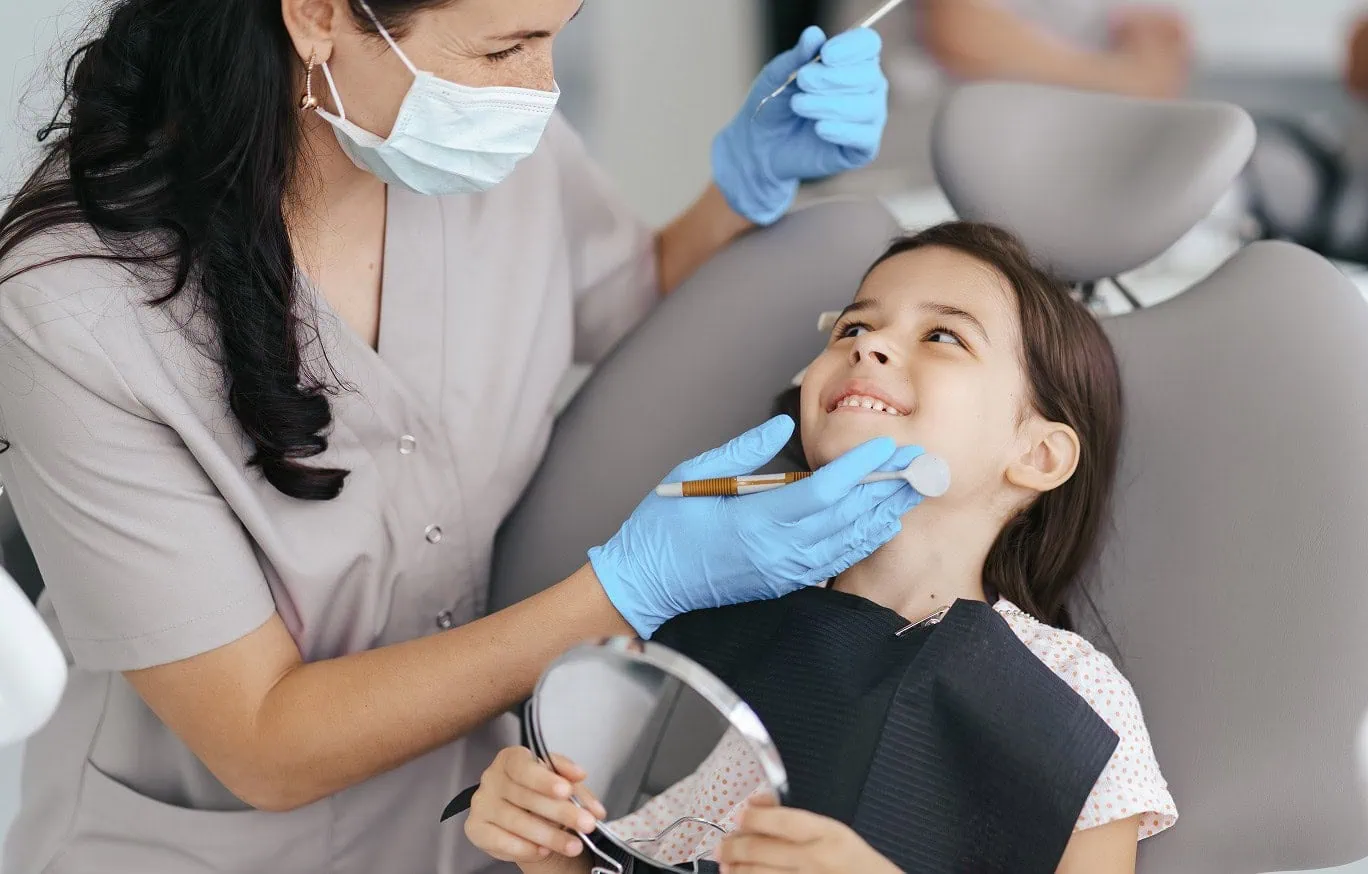
What Is a Fluoride Treatment for Children?
Parents often ask: do kids need fluoride treatments at the dentist? The short answer is yes, for most kids. A fluoride treatment is a quick in-office procedure where a dentist applies a concentrated varnish, gel, or foam directly to the teeth. Fluoride itself is a naturally occurring mineral found in water, soil, and certain foods, but the version your child receives during a dental visit is far more concentrated than anything they encounter at home.
The concentration matters. Professional treatments contain significantly more fluoride than what's in toothpaste or tap water. That higher concentration gives teeth a protective boost that daily brushing alone can't match. For kids with developing enamel, this extra layer of defense can make a real difference in preventing cavities before they start.
Both the American Dental Association and the American Academy of Pediatric Dentistry recommend professional fluoride for kids who have an elevated risk of cavities. Our board certified pediatric dentist, Dr. Hannah Noto, evaluates each child's individual needs to determine the right approach for their smile. The whole process takes just a minute or two during a routine visit, and most kids barely notice it's happening.
How Does Fluoride Protect Your Child's Teeth?
Fluoride protects kids' teeth in three important ways: it reverses early enamel damage through remineralization, it makes enamel more resistant to acid attacks, and it reduces the ability of bacteria to produce acid in the first place. Together, these mechanisms give developing teeth a strong line of defense against cavities, which is why pediatric dental organizations recommend professional fluoride for kids at elevated risk.
Here's a closer look at how that works.
Acids from bacteria and food attack your child's tooth enamel every single day. Over time, this strips away minerals like calcium and phosphate. That's where fluoride comes in. It reverses this damage through remineralization, pulling calcium and phosphate ions back to weakened areas and rebuilding enamel before a cavity can form. It also disrupts the ability of cavity-causing bacteria to produce acid. So it's working on multiple fronts to keep your child's teeth strong.
The professional varnish applied by a board-certified pediatric dentist has a distinct advantage over brushing alone. Its sticky formula keeps fluoride in direct contact with tooth surfaces for hours, giving it more time to absorb and strengthen enamel. That extended contact is what makes professional treatments so much more effective than toothpaste by itself.
5 Key Benefits of Fluoride Treatments for Kids
Fluoride treatments reduce cavities, protect developing enamel, save money on future dental work, take just minutes to apply, and are safe for kids of all ages. Here's a closer look at each benefit.
Cavity Reduction Backed by Research
According to the CDC, community water fluoridation reduces cavities in kids by approximately 25%. Professional treatments provide protection beyond that, especially for kids at higher risk.
Quick and Comfortable for Kids
The entire application takes under two minutes. Most kids barely notice it's happening.
Timing Matters for Developing Teeth
Kids' enamel is still maturing, which makes it more vulnerable to decay. Fluoride treatments during these formative years help build stronger, more resilient teeth while enamel is most responsive to fluoride uptake.
A Smart Investment in Prevention
A simple fluoride application costs a fraction of what fillings, crowns, or other restorative work would require. When you consider that some kids get five or six cavities before age 12, those $30 fluoride visits start looking pretty smart.
Safe When Applied by a Trained Team
Our pediatric dental team at Park Pediatric Dentistry is trained to use the right amount for your child's age and size. The small quantity applied poses no health concerns when used as directed, and varnish is specifically designed to minimize any amount a child might swallow.
Professional Fluoride vs. Fluoride Toothpaste and Tap Water
Here's how they compare.
| Source | Fluoride Concentration (per ADA guidelines) | How It Works |
|---|---|---|
| Professional varnish | ~22,600 ppm | Direct application to tooth surfaces |
| Fluoride toothpaste | ~1,000–1,500 ppm | Daily brushing exposure |
| Fluoridated tap water | ~0.7 ppm | Systemic benefit through drinking |
| Bottled water | Usually 0 ppm | No fluoride unless labeled |
Tap water fluoridation provides a systemic benefit, meaning fluoride becomes part of developing teeth from the inside. But not all communities fluoridate their water. Many families also rely on well water or bottled water, which typically lack fluoride altogether.
Toothpaste delivers fluoride directly to teeth, but kids often don't brush long enough or thoroughly enough to get the full benefit. They also tend to rinse immediately, washing away much of the fluoride before it can absorb.
Professional treatments fill the gaps. They complement daily brushing and drinking water by providing a concentrated boost right where teeth need it most. One doesn't replace the other. They work together. Dr. Hannah Noto helps families understand how these sources work together and whether additional support, like prescription fluoride supplements, makes sense based on your child's specific situation.
How Much Do Pediatric Fluoride Treatments Cost?
Pediatric fluoride treatments typically cost $20 to $50 without insurance, making them one of the most affordable preventive measures in kids' dentistry.
Most dental insurance plans cover fluoride treatments for kids under 18 as part of preventive care. Medicaid and CHIP programs generally cover it at no cost to families.
Compare that to the cost of treating a cavity. Fillings, crowns, and other restorative procedures cost significantly more, require more time in the dental chair, and can be stressful for kids. A few minutes of prevention saves hours of treatment down the road.
When Should Kids Start Getting Fluoride Treatments?
The American Academy of Pediatric Dentistry recommends fluoride varnish as soon as the first tooth appears. Yes, even for babies. Those tiny teeth are vulnerable to decay from the moment they emerge.
Not every child needs the same frequency, though. Your board-certified pediatric dentist considers several factors:
- Cavity history: Kids who've had cavities before are at higher risk for more
- Tooth anatomy: Deep grooves and pits trap bacteria more easily
- Diet: Frequent snacking or sugary drinks increase acid exposure
- Water source: Non-fluoridated water means less daily protection
- Oral hygiene habits: Inconsistent brushing leaves teeth more vulnerable
Based on this assessment, most kids benefit from fluoride treatments every three to six months. Some kids with higher risk factors may need more frequent applications.
What does this look like in practice? Each visit includes a fresh evaluation. As your child grows and habits change, their fluoride needs may shift too. That's why ongoing dental exams and cleanings with a board-certified pediatric dentist matter so much for keeping their smile on track.
Frequently Asked Questions About Fluoride for Kids
Is Fluoride Bad for Kids?
Fluoride is safe and beneficial at recommended doses. The concern you may have heard about, dental fluorosis, only occurs when kids ingest excessive amounts over time during tooth development. This typically happens from swallowing toothpaste regularly, not from professional treatments.
The small amount applied during a dental visit poses no risk. Your pediatric dentist uses age-appropriate quantities and monitors your child's overall fluoride exposure.
Can My Child Eat After a Fluoride Treatment?
Wait about 30 minutes before eating or drinking. This gives the varnish time to fully absorb into the enamel. Soft foods are fine after that waiting period.
What If My Child Swallows Fluoride Varnish?
The amount applied is minimal, and swallowing trace amounts is completely safe. Fluoride varnish is designed to stick to teeth, not dissolve in saliva. Even if a small amount is swallowed, it won't cause any harm.
Does All Toothpaste Have Fluoride?
No. Some kids' toothpastes are fluoride-free, often marketed as "training" toothpaste for toddlers learning to spit. While these can help establish brushing habits, they don't provide the cavity-fighting benefits of fluoride toothpaste. Once your child can reliably spit, usually around age two to three, your dentist will likely recommend switching to fluoride toothpaste.
What If I'm Concerned My Child Gets Too Much Fluoride?
Bring this up with Dr. Hannah Noto, our board-certified pediatric dentist at Park Pediatric Dentistry. She can help you inventory all fluoride sources: tap water, toothpaste, supplements, and professional treatments. Together, you can make sure your child gets enough protection without excess. Most families find they're actually getting less fluoride than they assumed, which is one more reason regular dental exams and cleanings are so valuable for keeping everything in balance.