

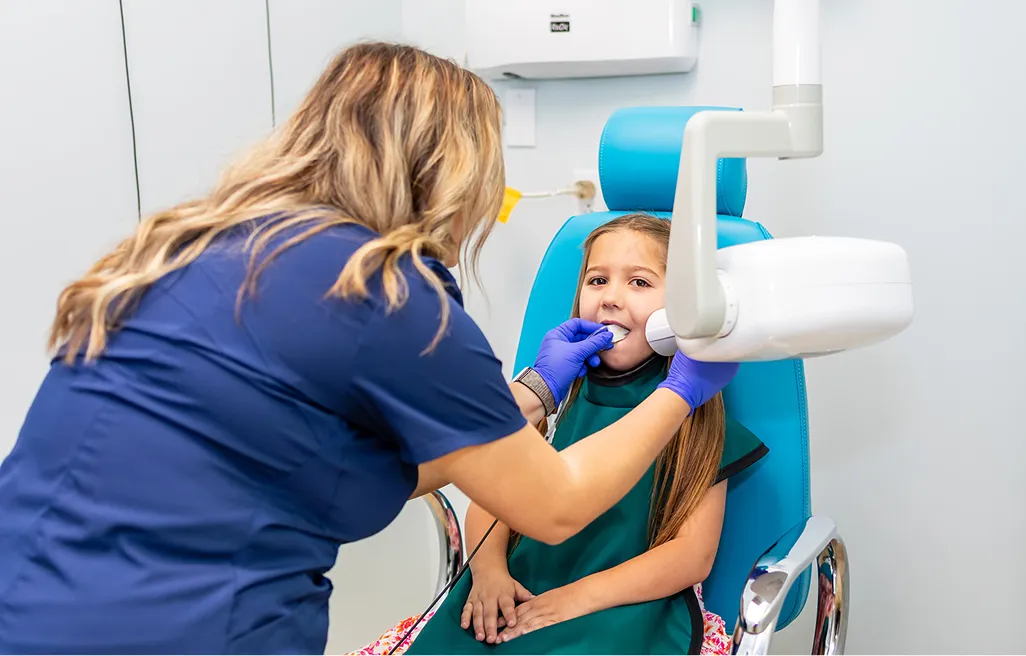
What Is a Child's First Dental Visit?
A child should have their first dental visit by age 1, or within six months of the first tooth coming in. Both the American Dental Association and the American Academy of Pediatric Dentistry recommend this timeline. For families in Lafayette, Louisiana, Park Pediatric Dentistry makes it easy to get started early with a gentle, kid-friendly first visit.
That first tooth is worth celebrating. It's also the perfect time to think about oral care. A first dental visit isn't about filling cavities. It's a gentle introduction to the dentist's office, and it helps your child get comfortable early while giving you real guidance on protecting those tiny teeth. During this visit, a board certified pediatric dentist assesses your child's oral health, checks for early signs of decay, and walks you through practical tips for caring for teeth at home.
Many parents wait until their child is 3 or older before requesting that first exam. By then, cavities may already be present. Early visits focus on prevention rather than treatment. They establish a trusted place where your family receives consistent care shaped around your child's needs as they grow.
What to Expect at Your Child's First Dental Visit
Here's what a typical first visit includes:
- A brief medical and dental history review
- A gentle lap-to-lap exam of teeth, gums, jaw, and bite
- Optional cleaning and fluoride application
- Home care guidance
- A care plan for follow-up
Most first visits last 30 to 45 minutes. Knowing what happens during the visit helps you and your child feel prepared.
What Health Information Will You Share?
You'll complete a brief medical and dental history form. This is also your chance to mention any concerns, whether it's a spot on a tooth, feeding difficulties, or questions about pacifier use.
What Does the Examination Look Like?
For babies and toddlers, the exam often happens in a "lap-to-lap" position: you sit knee-to-knee with the dentist, and your child lies back with their head in the dentist's lap. It keeps your little one close to you while giving the dentist a clear view. Most kids do great with this setup, even on their first visit.
Will My Child Receive a Cleaning and Fluoride?
If appropriate for your child's age, the dental team may do a light cleaning and apply fluoride to strengthen developing enamel. These steps are quick and gentle.
What Guidance Will You Get for Home Care?
Expect a conversation about brushing techniques, fluoride toothpaste, diet choices that protect teeth, and habits like thumb-sucking or bottle use. You leave with clear, age-appropriate recommendations you can start using that same day.
What's Included in the Care Plan?
Before you go, you'll receive a care plan outlining when to return and what to watch for at home. Most kids need a dental exam & cleaning every six months, though some benefit from more frequent visits. At Park Pediatric Dentistry in Lafayette, the entire first visit is designed to be relaxed and positive, setting the tone for future exams.
Benefits of Early Dental Visits for Children
Starting dental visits early catches cavities and developmental issues sooner, builds positive associations with dental care, gives parents practical guidance, and supports healthy speech and nutrition development. Here's a closer look at why it matters so much.
How Do Early Visits Catch Concerns Before They Grow?
Small cavities caught at 18 months are a much simpler fix than ones discovered at age 4. Bite alignment and spacing issues are also easier to monitor when you have a baseline from early on.
Why Does Early Dental Care Reduce Anxiety?
Kids who visit the dentist early tend to feel more comfortable in the dental chair as they get older. When the office feels familiar rather than foreign, kids cooperate more and parents worry less. A stress-free experience now means less anxiety later.
- Preventive care costs far less than fillings, crowns, or extractions. Investing in early visits saves money and discomfort down the road.
- Healthy baby teeth play a role in speech development, proper chewing, and nutrition. They also hold space for permanent teeth to come in correctly.
According to the AAPD's Policy on the Dental Home, kids who receive early preventive dental care are more likely to maintain good oral health throughout childhood.
First Dental Visit at Age 1 vs. Waiting Until Age 3
Some parents wonder if bringing a 1-year-old to the dentist is really necessary. After all, they only have a few teeth. Here's why timing matters, and why so many Lafayette families choose to start early.
| First Visit at Age 1 | First Visit at Age 3+ |
|---|---|
| Focus on prevention and education | Often addressing existing cavities |
| Establishes comfort with dental visits early | May require more complex treatment |
| Fewer emergency visits reported in research | Higher likelihood of urgent dental needs |
| Less expensive over time | Reactive care costs more |
The AAPD's Policy on the Dental Home supports the age-1 visit, noting that kids who establish a dental home early experience fewer dental emergencies and less tooth decay compared to those who wait. When families delay that first visit until age 3 or later, cavities are frequently already present. When should a child have their first dental visit? The research consistently points to age 1 as the right time.
Early visits are quick, gentle, and focused on keeping your child healthy. Waiting often means playing catch-up.
What Does a Child's First Dental Visit Cost?
Without insurance, a child's first dental visit typically costs under a couple hundred dollars. Most dental insurance plans cover preventive visits for kids at 100%, which typically includes the exam, cleaning, and fluoride treatment.
Cost shouldn't stand in the way of your child's oral health. If you're unsure about your coverage, call your insurance provider or ask the dental office to verify benefits before your visit. Many families in Lafayette, Louisiana find that their plans cover the full cost of preventive visits.
For families without insurance, many pediatric dental practices offer new patient specials or flexible payment options to make care accessible. Compare that to the cost of treating a cavity, which can run several hundred dollars, and the value of prevention becomes clear. A simple exam & cleaning now goes a long way for your budget and your child's teeth.
Is Your Child Ready for Their First Dental Visit?
If your child has a tooth, they're ready. It's that simple.
Here are some signs it's time to request an exam:
- A first tooth has appeared, or they're approaching their first birthday
- You notice white spots, discoloration, or unusual marks on teeth
- Difficulty feeding or discomfort while eating
- Special health needs that may affect oral development
Kids with certain health conditions, including heart conditions, developmental delays, or immune system concerns, may benefit from an even earlier evaluation. A board certified pediatric dentist can work with your child's medical team to coordinate care.
There's no such thing as "too young" for a dental assessment. Even before teeth appear, a dentist can check gum health and discuss what to expect as teeth emerge. Park Pediatric Dentistry welcomes families in Lafayette at every stage, from the very first tooth through a full set of baby teeth. The earlier you start, the more confident you'll feel about your child's oral health as they grow.
Frequently Asked Questions About a Child's First Dental Visit
What age should a child first see a dentist?
By age 1, or within six months of the first tooth erupting, whichever comes first. This timeline is endorsed by the American Dental Association and the American Academy of Pediatric Dentistry. Families in Lafayette, Louisiana can request a first visit at Park Pediatric Dentistry as soon as that first tooth appears.
How do I prepare my child for their first dental visit?
Keep the conversation positive and simple. Read kids' books about visiting the dentist. Avoid words that might cause worry. Let your child know the dentist is a friend who helps keep smiles healthy. You can also practice opening wide at home so the motion feels familiar. Bringing a favorite toy or blanket can help your little one feel more at ease in a new setting.
How long does the first dental visit take?
Most first visits last 30 to 45 minutes. This includes time for paperwork, the exam, any cleaning or fluoride application, and a conversation about home care. The pace is always guided by your child's comfort level.
Do baby teeth really need dental care?
Yes. Baby teeth help your child chew food properly, speak clearly, and hold space for permanent teeth. Decay in baby teeth can spread to other teeth and cause discomfort or infection, so keeping them healthy is essential. Good habits built around baby teeth carry over into permanent tooth care as well.
What if my child cries during the visit?
Crying is completely normal, especially for babies and toddlers in a new environment. Board certified pediatric dentists are trained to comfort young patients and make the experience as calm as possible. Most kids settle quickly once they feel safe and realize the visit is gentle. A few tears at the first visit don't predict how future visits will go. Many Lafayette families tell us their kids are smiling by the end of that very first exam.